

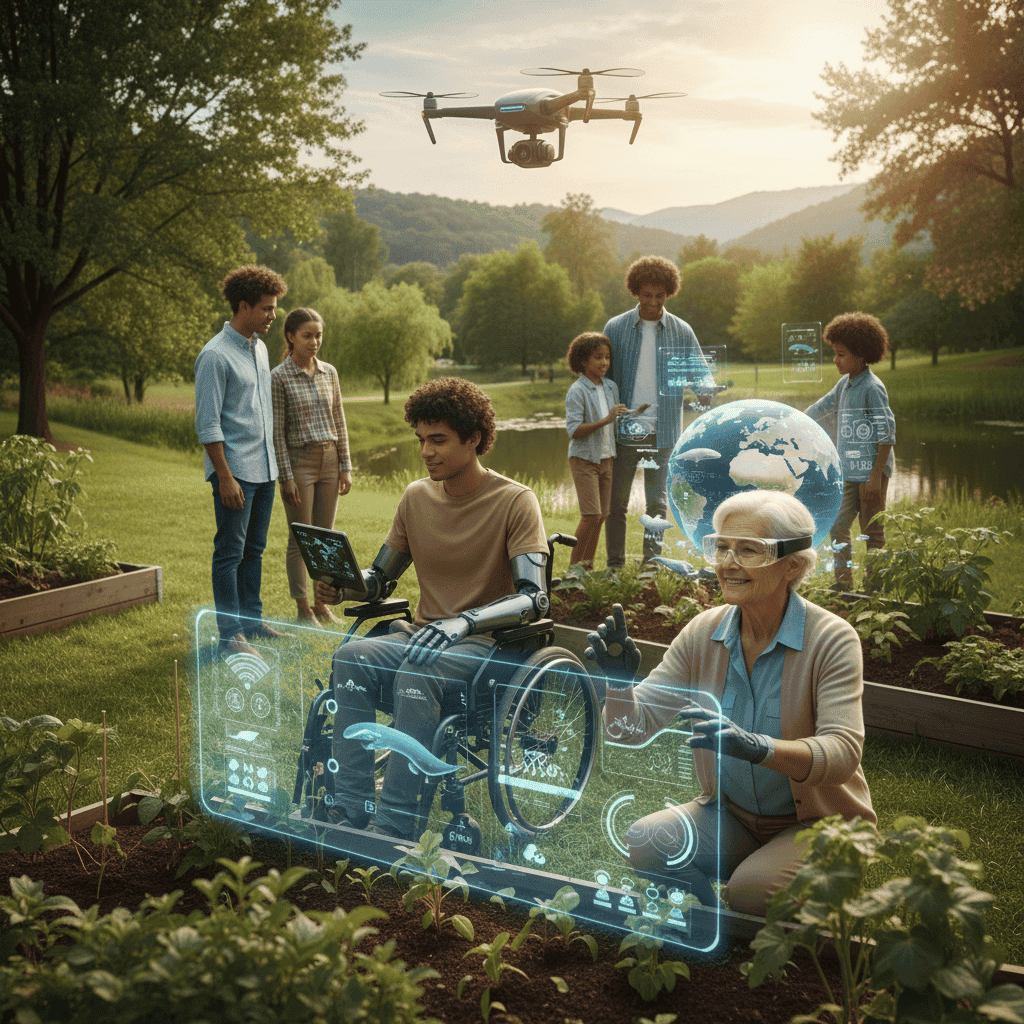
High end technology often gets attention for its looks and price tag. The real question is whether those premium devices make day to day life measurably better. In this piece I move past marketing and show specific examples of hardware and software that are having real impact on health, mobility, home comfort, and independence.
Expect clear criteria for judgment, concrete user stories, and practical advice on what to consider before spending on flagship gear. If you want evidence and use cases rather than hype this article is written for you.
Why high end tech matters when it comes to improving lives
Price alone does not equal value. Premium devices tend to include research grade sensors, longer support cycles, and materials that last longer. Those elements matter when the goal is long term well being rather than short lived novelty. For example a medical grade wearable that delivers reliable readings for years can reduce the number of redundant clinic visits and give clinicians continuous data for better decisions.
Another reason higher priced items can be worthwhile is integration. Luxury products often have teams behind them that keep software updates flowing and fix bugs that matter in critical use. That reduces the chance of a functionality gap at a moment when it counts.
Healthcare technology that changes outcomes
One of the clearest ways high end tech improves lives is in health. From devices that monitor chronic conditions to surgical systems that reduce recovery time, the impact is measurable. Two trends are especially relevant for consumers and patients.
Connected monitoring for chronic conditions
Continuous glucose monitors have moved from clinic only tools to compact devices that provide near real time glucose readings. Studies show users gain better control over daily glucose swings which can lower the incidence of severe low or high events. The convenience of having accurate readings with fewer finger pricks is a quality of life improvement, especially for older adults and busy caregivers.
Similarly high fidelity heart monitors and ECG patches provide extended windows of observation for irregular rhythms. That longer monitoring period increases the chances of catching transient issues that short term checks often miss.
Precision interventions and robotics in surgery
High end surgical platforms bring steadier instruments and magnified views to operating rooms. The result is smaller incisions in many procedures and faster recovery for patients who benefit from reduced tissue trauma. For complex conditions a precise approach can mean fewer follow up operations and a shorter hospital stay.
Mobility tech that restores independence
Mobility improvements are about more than speed. They are about increasing range, reducing fatigue, and letting people do daily tasks without constant help. Recent high end devices focus on those outcomes rather than novelty.
Exoskeleton systems designed for rehabilitation now have clinical data showing improved walking ability after a program of use. For people recovering from spinal cord injury or stroke these rigs support repetitive training that rebuilds neural pathways. The devices are expensive but many rehabilitation centers and some health systems offer access, spreading the benefit beyond those who can buy them outright.
On the vehicle side premium electric vehicles deliver longer ranges and sophisticated safety systems that reduce crash risk. While not a complete replacement for cautious driving, those systems monitor surroundings continuously and can react faster than a human in certain scenarios. For seniors and those with limited mobility a car with extended range and comfortable entry points can be life changing.
Home wellbeing and environment control that reduce daily friction
High end home technology that improves everyday life tends to focus on air quality, sleep, and reliable climate control. These areas influence health over months and years rather than just offering a temporary convenience.
For people with respiratory conditions, premium air filtration units with validated HEPA performance and advanced filters remove fine particles and allergens more effectively than cheap alternatives. The result can be fewer flare ups and lower reliance on rescue medication.
Sleep systems that combine mattress design with environmental sensing and gentle regulation of temperature have clinical support for improving sleep duration and continuity for some users. Better sleep cascades into sharper cognition, more stable mood, and improved metabolic health.
Personal devices that reduce cognitive load and save time
High end personal tech that improves lives often reduces small daily frictions. Examples include premium hearing devices, high quality earbuds with effective passive noise reduction, and cameras that enable remote monitoring of loved ones.
- Hearing devices with advanced microphones and presets for specific environments let users follow conversations in crowded rooms more easily. That social connectivity has a direct effect on mental health.
- High fidelity cameras used for remote check ins provide a clearer view for caregivers checking on relatives. The clarity reduces uncertainty and can prevent unnecessary emergency visits.
- Premium culinary appliances that hold temperature precisely take the guesswork out of meal preparation which helps people maintain healthier eating patterns without extra effort.
Accessibility technology that expands independence
Accessible design is a potent form of high end tech when it is focused on real needs. Eye gaze controllers for communication, advanced prosthetic limbs with sensor feedback, and compact stair lifts that fit narrow staircases are examples where engineering solves daily barriers.
Consider prosthetic hands that provide multiple grip patterns and sensory feedback. For many users those features are not luxury. They translate into the ability to prepare a meal, hold a child, and perform work tasks which together increase confidence and opportunities.
Case study in practical deployment
A mid size workplace outfitted a single employee with a high end prosthetic that included pressure sensing. The result was a return to tasks that had been impossible with older devices. That single change led to a measurable increase in productivity and job satisfaction for the person involved. Stories like this repeat across sectors when technology is selected for need rather than status.
How to evaluate whether a high end product will actually improve your life
Spend time matching features to real tasks. A common mistake is to focus on specs rather than the outcomes you want. For example when choosing a wearable think about which metrics you will check routinely and how those metrics will change behavior or care. If a device requires frequent calibration it may add work rather than reduce it.
Look for third party data and independent reviews that include long term use cases. Manufacturer claims are useful for orientation but unbiased performance testing highlights failure modes that matter in daily use. For health products check peer reviewed work where possible and ask a clinician how the device will fit into an existing care plan.
When making a purchase consider service and update policies. Products that receive regular software updates and have customer support in your region will remain reliable for longer. If a product will be critical to safety or health check warranty terms and options for replacement parts.
If you want a curated overview of high end products that are proving useful in daily life you can find out more on a reputable site that tracks both design and utility.
Practical purchase tips and maintenance advice
Set a trial period mindset. Many premium devices offer trial windows that reveal how a product interacts with your routines. Use that period to test compatibility with other gear and to check whether the promised savings of time or effort actually materialize.
Keep firmware updated and register high value items. Registration often shortens repair times and can extend support. For devices that monitor health keep a copy of historical data in a secure location. That record is useful for clinicians and for comparing progress over months.
Budget for consumables. Filters, electrodes, and batteries add recurring expense. Factor those costs into the total ownership picture rather than focusing solely on the upfront price.
Common pitfalls to avoid when selecting premium tech
Do not buy based on brand alone. A recognizable name is not a guarantee that a product will suit your specific need. Read user reports that match your use case and pay attention to complaints about real world reliability.
Avoid impulse upgrades driven by incremental feature lists. Small gains in specs rarely justify a large purchase unless the new feature directly resolves a current frustration or risk.
Be cautious with closed ecosystems that lock you into a single vendor for accessories and service. Those systems can be convenient, but they often reduce flexibility and raise long term costs.
High end technology has the potential to make life better in concrete ways. The devices and systems that deliver that value share common traits. They meet real needs, they have solid long term support, and they include design choices that reduce work for users rather than adding it. When you choose products with those characteristics you are more likely to get genuine improvements instead of temporary thrills.
Ready to make a purchase that meaningfully changes day to day life Start by listing the specific problem you want to solve and compare solutions on how they address that problem over months and years rather than just the first few weeks of novelty. Test where possible, read independent reports, and plan for the full cost of ownership. If you follow that approach your investments in high end tech are much more likely to pay off with real, lasting benefits.